By: TechVanguard – SeaPRwire – The latest market report puts a hard number on concentration. Taiwanese firms take more than 75 percent of the combined revenue of the world’s ten largest wafer foundries. AI and high-performance computing keep pushing demand higher. Capacity still sits heavily in one place. That imbalance is the immediate pressure point the numbers expose.
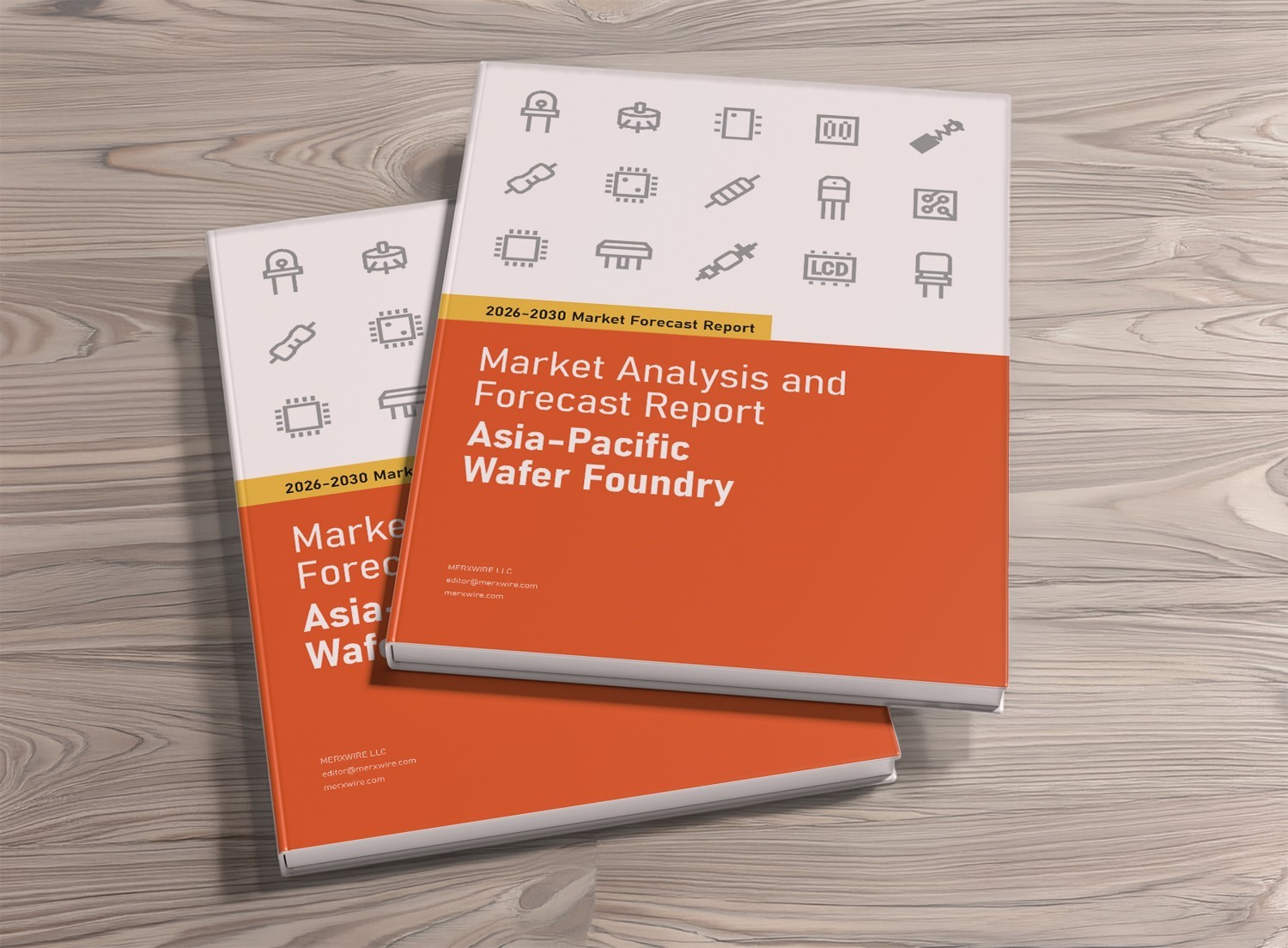
MERXWIRE released its Asia-Pacific Wafer Foundry Market Analysis and Forecast Report covering 2026 to 2030 on 2 October 2026 from Taipei. The study looks at regional market overview, industry structure, technological developments, supply-chain landscape and outlook. It is aimed at semiconductor companies, technology firms, investment institutions and researchers. Global semiconductor industry revenue is projected to exceed US$1.5 trillion in 2026. Expansion of AI infrastructure and computing-power demand is cited as the main driver. That demand supports advanced process technologies, wafer manufacturing, equipment and materials. Asia-Pacific remains a major production region. Taiwanese companies account for more than 75 percent of the combined revenue of the world’s ten largest wafer foundries. Firms in China and South Korea hold significant shares as well. The report expects Asia-Pacific to stay central to the global wafer foundry industry and semiconductor supply chain through 2030. Applications in AI, high-performance computing, data centers, 5G communications and automotive electronics are listed as continuing drivers of demand for high-performance semiconductors and advanced processes. That demand is expected to push further expansion of wafer manufacturing capacity and related investment in equipment and materials. Three key trends are identified. First, AI and HPC demand drives expansion of advanced process technologies and foundry capacity. Second, advanced processes, advanced packaging and smart manufacturing drive industry upgrading. Third, supply-chain restructuring and regionalised manufacturing strategies strengthen Asia-Pacific’s central role. Within the region Taiwan holds a leading position in wafer foundry services and advanced process technologies. South Korea has substantial capabilities in advanced semiconductor manufacturing and foundry services. China continues to expand wafer manufacturing capacity and accelerate efforts toward a more self-sufficient supply chain. The research covers market size, growth trends and forecasts for 2026-2030, comparative industry structures and competitiveness of Taiwan, China and South Korea, development trends in advanced and mature process technologies, demand across the listed applications, and capacity, fab investments and regional distribution. Data sources include public government data, industry organisations, foundry and manufacturing companies, equipment and materials suppliers, associations and corporate disclosures, plus MERXWIRE’s own research. Analytical methods cover market size, competition, technology trends, supply chains and forecasting.
The practical question is whether capacity additions will track the demand drivers the report lists. If AI and HPC volumes keep rising while the 75-percent concentration figure stays roughly constant, the pressure on the leading Taiwanese nodes intensifies. If China and South Korea convert their stated expansion plans into actual wafer starts at competitive process nodes, the revenue share numbers will shift. The report itself supplies no new monthly capacity figures. Watch the next round of fab investment announcements against the three trends it flags. Those announcements will show whether the concentration figure is still climbing or has begun to level.
Author bio: TechVanguard, senior commentator for an international technology weekly covering semiconductor supply chains and foundry capacity dynamics.
source https://newsroom.seaprwire.com/press-releases/technologies/taiwans-75-percent-grip-is-the-real-story-in-the-new-foundry-numbers/