By: James Vance – SeaPRwire – For years, the biggest bottleneck in the global expansion of Korean content was never creativity. It was localization. A hit series could travel worldwide. Smaller productions often could not. Professional dubbing remained expensive, slow, and largely reserved for major studios. Subtitles filled the gap, yet they rarely delivered the same emotional connection. Studio Freewillusion’s latest announcement points directly at that problem. The company has introduced TailorDub, an AI-powered dubbing pipeline designed to convert Korean-language video into natural English and English-language content into Korean, with deployment scheduled for October through its AI-Kive platform.
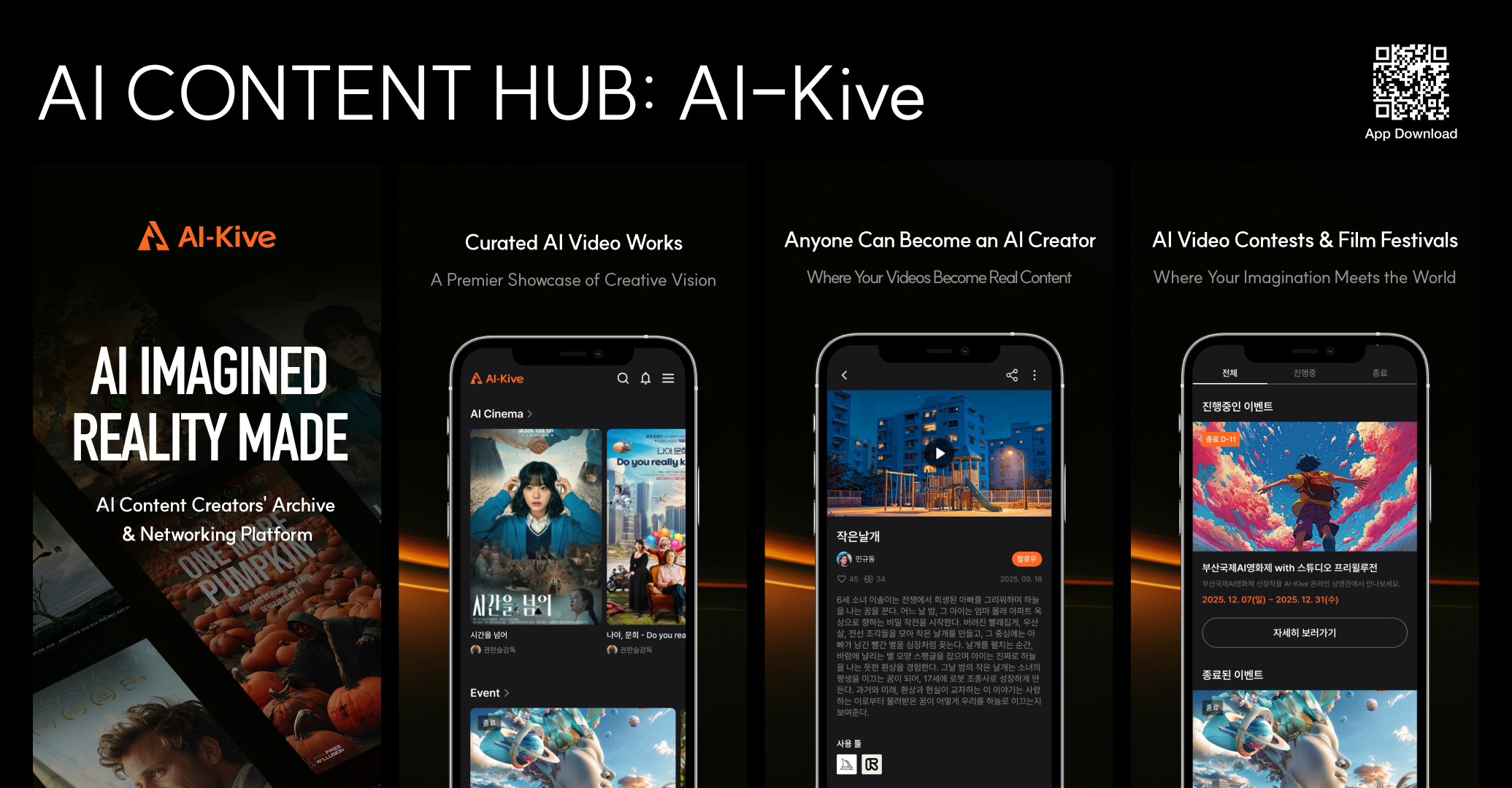
The details matter more than the headline. According to the company, TailorDub works from the original audio rather than simply generating translated voiceovers. It adjusts for timing differences between Korean and English while preserving emotion, pacing, and vocal expression. The system also keeps the original sound environment intact when dialogue overlaps with background audio. That may sound technical, but viewers notice these things immediately. Poor dubbing breaks immersion within seconds. Good dubbing disappears into the story. Studio Freewillusion is betting that AI can now cross that quality threshold. The company plans to debut the technology through AI-Kive, which currently hosts more than 5,000 AI-generated videos and attracts up to 80,000 monthly active users.
The deeper story is not about dubbing software. It is about distribution economics. Every entertainment executive understands the math. If localization costs fall sharply, thousands of previously overlooked titles suddenly become exportable assets. Small and mid-sized platforms gain access to multilingual audiences without building dedicated dubbing operations. Studio Freewillusion appears to understand this opportunity well. After launching on AI-Kive, the company plans to offer TailorDub as a B2B solution for overseas content platforms, particularly in North America. It is also evaluating a future SaaS model. In practical terms, the company is moving from content technology provider to infrastructure provider. That shift often creates larger long-term business value than content production itself.
There is another signal hidden beneath the announcement. Global demand for K-content continues to expand, but audience expectations are changing. Viewers increasingly expect content to feel native, not translated. If AI systems can preserve emotional authenticity while reducing localization costs and production delays, the competitive landscape could shift quickly. In that scenario, the winners may not be the largest studios. They may be the platforms that remove language barriers first and make international distribution almost frictionless. The real race is no longer about creating content. It is about making every piece of content understandable anywhere with minimal delay.
Author bio: James Vance, a senior international technology magazine columnist who analyzes emerging AI business models, digital media platforms, and the intersection of technology and global content distribution.
source https://newsroom.seaprwire.com/press-releases/technologies/when-ai-learns-to-dub-like-a-human-k-content-stops-needing-permission-to-go-global/